Friday, July 4, 2014

The Deadly Sins of Writing

As a writer, I am working on honing my craft. Even when I'm not actively writing, I'm studying whatever I'm reading and whatever I'm watching looking at how it was written and what I like about it. This constant studying is good for writers because it helps us when we go back to writing our own works or editing our own pieces or just trying to get started.

In my editing experience, writing classes, and just being friends with outer writers, the "sins" of writing have been shown to me multiple times. In fact, I have even committed many of them.  However, often these sins are labeled and persecuted without explanation. In an effort to help writers grow, I will detail a list of the most common sins of writing and explain why each is "bad" and some tricks on how to avoid them and correct them.

Cliché: 

http://www.thefoxisblack.com/2011/02/10/cliche/ Image by Cedric Villiain
Cliché is probably the sin that is most rabbited on about. According to the Oxford American English Dictionary Cliché means: "a phrase or opinion that is overused and betrays a lack of original thought. a very predictable or unoriginal thing or person"  Clichés exist for a reason and do serve a purpose, so do mosquitoes. That is to say that though the exist and serve a purpose, they are annoying. When using a cliché the writer tells the reader "I'm lazy and don't care about my writing" thus the sin. Clichés are over used phrases (colloquialisms), over used character types (stereotypes), and over used places (commonplace). Now when handled properly, clichés can be very effective, except stereotypes, those are often just plain rude. My quick tips for how to properly use colloquialisms is only let characters use them in character speech or in first person narration. By doing so, the writer is then turning them over to the character to use; however, use them sparingly: overuse creates a barrier between the reader and the text and often the reader tunes out because the language isn't engaging. Commonplace is great if the writer does not want to go into great detail about the location or item because it then requires the reader to fill in the blanks: main problem with commonplace is knowing when something is commonplace and when something isn't. In general, clichés are tough because they require a tight cultural understanding and do not allow for diversity of knowledge and culture. 

Clichés often pop up in genre fiction narratives because of the heavy dependency on tropes in those types of fiction. Easy ways to avoid them are to subvert the tropes (which is almost becoming cliche at this point), and to create a new trope. Creating new tropes are difficult but are an excellent challenge to a writer. The easiest way to avoid cliché is to be true. Clichés are amalgamations of truths that are often unrealistic, imitate life to have truer writing. To imitate life though, a writer has to shun the cliché of agoraphobic and anti-social writers and at least be willing to observe people. Friends help a lot with this in the way that they are little test subjects that we as writers can observe their reactions to environmental stimuli. 

Here are a few other blogs that outline clichés:


Cliche What? specifically outlines cliché narrative types in romance.

Purple Prose:

Learn from this bear. The story of this purple bear is purple prose. Admittedly it is quite blatantly purple prose. Purple prose is two things, being excessively writerly and having thesaurus syndrome. As the image illustrates, purple prose takes a bear from sitting and watching fish jump in a stream to being that monstrosity of a sentence. Purple prose is a sin for one reason: its freaking annoying as hell. Purple prose causes the reader to skim the wordiness of expounding the qualities of a thesaurus ridden paragraph and often to stop reading because the writer didn't know when to stop. However, it isn't always as blatant as this purple bear would like you to believe. This blog entry is a perfect example of subtle purple prose: http://durangotexas.blogspot.com/2012/08/i-bear-burden-of-excessive-purple-prose.html The writer of this post admits to being plagued by purple prose, and smartly makes fun of it, but it shines through in other areas. Purple prose is being indirect, it is a writer choosing to play with words instead of being 100% honest with the reader. It is pretty but annoying. Ways to avoid it, be succinct, write it like it was being said aloud. Don't dodge the subject just plop it on the page and let it sit there. Worry about the grace of writing in the edits.

 Misuse of Punctuation:

Punctuation is probably the most problematic issue for young writers. with deteriorating grammar programs and the internet, punctuation has generally fallen victim to abuse. I'm going to start a ribbon campaign for punctuation. Anyway, why be careful about punctuation? Well as the image shows, punctuation helps with the clarity of prose. Moreover, abusing certain types will cause readers to drift away. Now this section is not to detail rule by rule how to use punctuation correctly because, honestly, even I still have trouble with certain types. However, there are types that are in general abused and create bad writing. For example, the ellipses aka ... these three little dots, and their cousin the string of dots, mean two things in writing: when used in a quote (as in articles and academic essays) it means that something has been removed, when used in creative writing (prose and poetry) it means that the speaker has trailed off. When used minimally and carefully they can create a very dramatic effect. When over used they look like half the piece is written in morse code. They become ugly spotty sections in the piece and can distract and distance the reader. And to be quite clear, the narrator is never, never, to use them: narrators never drift off, they are always engaged with the reader.

Dashes should burn unless they are being used to show that a speaker has been cut off. I realize that they are a different form of a comma, but unlike a comma, a dash (–) is very obvious and stands out too much in the text. The dash is a stylistic mark that is mostly based on personal esthetic; however, it is also to be used minimally otherwise it also creates the effect of morse code on the writing.

Exclamation points: one is enough! Using more than one is excessively unnecessary and only acceptable in bad fan-fiction and green text stories. And this !?!!!?!?!?!?!?!!?, don't ever use it: it literally means nothing. Exclamation points are also to be used minimally otherwise they decrease the effect of the story and the reader is given the wrong signals about what is actually exclamatory.

There are other punctuation marks that are misused all the time, such as colons (:) and semicolons (;), and parentheses (()). Colons are used to start lists or expound upon the meaning or idea that is being stated in the sentence. Semicolons are used with coordinating conjunctions and used to show that two sentences have been joined together to create one idea: semicolons are very tricky, so study them hard before using them. Parentheses, well, they shouldn't be used in fiction writing, but in general, they are used to separate material such as commentary and examples, from the main text, or to show that the material they contain is unnecessary.

Here are some links about punctuation:

Top 10 Most Annoying Misuses of Punctuation details many of the points I made and shows others

Commonly Used and Misused Punctuation Marks This is an excellent source for understanding punctuation

Trying Too Hard To Be Edgy:

 This sin is one that mostly young writers attempt to seem mysterious or majorly countercultural. By trying to hard to upset people or to just be weird, it causes a distancing no only between the writer and their peers and their authority figures, but also between the reader and the work. This distancing isn't one where the reader becomes separated from the work objectively, but is often forced out of the story by being ostracized and lost in the ham-fisted attempts of the writer to seem cool and edgy. As a whole, this purpose/message behind writing is severely flawed in that it makes the writing ludicrous. This sin is also a subject of cliché because all young writers try it, but unlike the other types of clichés it is the least acceptable. It is the writer intentionally drawing attention to themselves instead of to their work. It is also attached to hyperbole because it is a severe dramatization, usually, of events that have either happened to the writer or they have read about. The topics most commonly associated with this are BDSM, drug culture, gang culture, occult themes, goth themes, sever violence, mental illness, severe apathy of the main caricature, sexual victimization, and incest. As a whole, these themes are not inherently bad; however, when the soul purpose of using them is to create shock and abhorrence in the reader, it is a severely juvenile attempt of trying to separate oneself from the collective whole. These themes have been used to great effect to create a discourse about these subjects have been used to great effect in many texts: Flowers in the Attic by V.C. Andrews (incest and child abuse), Game of Thrones by George R.R. Martin (pretty much the whole list I made and then some) , Someday This Pain Will Be Useful to You by Peter Cameron (extremely apathetic main character), and many more. However, in these books the themes are not used to shock and distance the reader, but to compel them and create different character types and tell stories we don't always hear. To do this well, the writer must experiment and learn how to fines these themes and how to compel the reader to stay involved with the story.

Ideological Fiction:

This sin is probably the most dangerous for a writer : it situates the writer firmly in their era and heavily winnows an audience. Such writers as Ayn Rand and many of the other modernists fall into this group. Why is this a sin? Simple, it dates your work. Though it might be necessary to write fiction that is temporal, it is easy for such a piece to be heralded as a classic or immensely necessary or majorly important, but as soon as that era is over, it becomes a relic. Many of Ayn Rand's texts have gone out of date do to the philosophies she put forth in her writing. Though those ideas may have appealed to her readership in the 1930s and 1940s they fell out of fashion by the middle of the 20th century and have only come back as countercultural favorites due to the academic shunning of them. That is what happens to many idealogical writers is that they get swept up in their ideology and they again ostracize many readers. Note, I am not pushing the ideology that a writer must appeal to all readers; however, it helps when first starting out to play it a little safer with the ideology. Moreover, ideologically heavy texts read more as academic fiction rather than general fiction. If that is the aim of the writer go for it, but be aware that this type of writing has a very small audience.

Artistic Pride/Integrity):

Artistic pride/integrity is the sin that all writers are guilty of. We swear that we will never sell out and will always stay true to our work. This stance is not the sin, the sin is this, "I wrote it, I'm not changing it; it's my story and I like and I'm not changing it." Words that have echoed off of creative
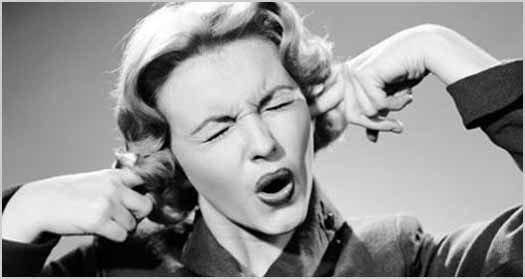
writing classroom walls more than any of us care to think. Artistic pride/integrity is in and of its self not wholly bad; however, if it stops the writer from advancing their work then it is terrible. The belief that one is always right and that they make no flaws is a major flaw. Critiques and edits of writing is an essential part of growing as a writer. When going through critiques and edits really analyze the comments on sections that you love and hate to cut, if the scene needs more work to express to the reader its purpose, then do it. Writers should stay true to their work, thus they should take critiques, even ones they don't like and should use them to develop their story to convey its meaning.

The Myth of Showing vs Telling:

Nether one is better than the other. Writing teachers and editors love to push this myth the hardest. It is a sin to condemn either one. A good story has the proper balance of each. Moreover, it is a very occidental perspective to favor showing over telling. Most novels and stories form the Middle East and Asia are done through telling. It is part of the tradition of their literary genre. Furthermore, most tales and folklore are done through telling. Each piece of work needs to be particularly scrutinized whether or not showing is necessary or telling is necessary. Telling is exponentially easier to do in writing, which I think is part of the reason that it is frowned upon so much by modern western writers.
Passive Voice: 

This sin is purely grammatical. It is the sin that is harped on by tutors and editors the most, and it is the hardest to work on. I went to an outside source to be able to fully understand this. According to Hamilton Universities list of The Seven Deadly Sins of Writing "The First Deadly Sin: Passive Voice" "Passive Voice produces a sentence in which the subject receives an action. In contrast, active voice produces a sentence in which the subject performs an action. Passive voice produces unclear wordy sentences, whereas active voice produces generally clearer, more concise sentences." An excellent explanation but to really see it in action they included a sentence in passive and active voice:

In this example, we see the switch from the non-specific "arms were seized" to the specific, "British soldiers seized arms." It makes the writing more interesting and the reader is less likely to feel passive while reading: it makes writing more engaging.

Hamilton University's suggestions for fixing passive voice: "In most instances, put the verb in the active voice rather than in the passive voice. ... To change a sentence from the passive to the active voice, determine who or what performs the action, and use that person or thing as the subject of the sentence."

I hope my list of sins helps in writing, I know it has helped me shape my view on writing. Again a few of my sins are my own personal style choices and not to be taken as carved in stone. Some are actually carved in stone somewhere, and if committed gnomes will haunt the authors dreams for all eternity until the end of time, maybe. Writing is a growing process and all these sins are committed at a different time by every writer, even super famous super good writers commit these sins, they just have a good editing staff.

Here are some extra resources for writers.

A good resource for writers is http://www.writersdigest.com it is a website solely dedicated to making writers better and helping them get published. They run tons of contests and have classes and all sorts of neat stuff including a page dedicated to tips and tricks.

Hamilton University's list of The Seven Deadly Sins of Writing is very good and very specific.


Tuesday, July 1, 2014

"All About That Bass" the Pros and the Cons

If you haven't seen the video yet, Meghan Trainor released a video on June 11 for her song "All About That Bass." The video is a lovely slightly kitschy homage to the '50s and '60 filled with soft pastel hues and adorably preppy clothes. It is, in general, a lovely video that is well laid out and shot wonderfully. It is a lot of fun, and the song is super catchy and fun, and Meghan has a lovely voice, sure to garner her a few award nominations and hit singles. Moreover, Meghan has taken a stance in this video that is popular at this moment and sure to help her gain a fan base and will be a great example for little girls. However, like most stances in the world, there are a few troubles with the video to accompany the positivity. To help see where the problems undermine her motives of positive body image and undermine the movement to appreciate your body as it is, I'll examine the main "Cons" and the major "Pros" of this video.

Pro #1: she has dancers in her video that have the body types that many dancers and "average" woman have and of course there is the heavy set man who is super fierce in the video. Meghan is making the point that to be pretty and dance well and have great moves, one needs to be thin. This is an excellent point to make since dancers are often under a large amount of pressure to be very thin.

Con #1: The skinny model is painted as being unacceptable. Though most people agree that the demands put on models to be super thin is wrong and unacceptable, I hear it all the time from people who are overweight or larger (even I've said it and yes I'm fat) that skinny people "need to eat a burger." We never take into account that some people are built very thin and don't starve themselves to thinness and that some people are leaner. This point in her video is very subtle, though the model is seen later as dancing around and enjoying herself, she is almost always alone in the video and when she is accompanied by someone she is often not engaged but is forced to engage or sexually objectify another person. And the use of skinny bitch, even with just kidding or just fooling or just playing thrown after it, is skinny shaming and acting like a mean girl. 

Pro #2: The fashion of the video. Everyone looks great in this video. All of the clothes are super flattering and not super objectifying, even though the song is about her body. Usually bigger people are made to look unhealthy, unattractive, and unstylish; however, the stylist for this video went about making sure to dress everyone in a stylish way and make them all look great.

Con #2: The insinuation that a girl is "supposed" to "shake it." Perk of having a big booty is, well, tweaking looks like it is supposed to. However, girls aren't "supposed" to "shake it." If you want to shake it, shake it, but that is not the sole purpose of having a big booty. Though it is a major perk.

Pro #3: "You are perfect from the bottom to the top" This is a wonderful reinforcement of body positivity: it tells people to be happy in your skin, love what your body looks like. 

Con #3: Though it is a trope that she is playing on from '50s and '60s pop music, informing the world that your "mama" says that "boys like a little more booty to hold at night." Though this point may be true (I must admit I like a man who's got some junk in his trunk), valuing your booty for the male appreciation you'll receive is, to be frank, misogynistic. It is saying that your body is only good if a man appreciates it. That is not body positivity, it's objectification. Though seemingly harmless, it is insisting that self worth is based only on outside appreciation. And the argument that it is only motherly advice and a mother trying to help her daughter appreciate herself, is reinforcing cultural misogyny, which isn't really helpful. 

Pro #4: A catchy pop video with a healthy looking confident pretty girl who is built like the average girl on the street, is wonderful and shows girls and people that the music industry is moving forward and away from a very tight idea of beauty.

Overall this is a cute fun video with a well intentioned catchy song. This post is in no way to diminish  what Meghan is trying to do. It is simply to show that to feel good about yourself or teach people to love themselves, you don't need to tear down someone else to feel better about yourself. On a note of how to do this type of message 100% right lets listen to Mindy Kalling on being body positive:

Sunday, September 15, 2013

Artists you should be listening to, if you already aren't.

I will be one of the first people to admit that I'm not usually one to always discover the latest greatest bands. The other day I was talking with two friends and the subject of popular music came up and of course, whose name gets dropped? Miley Cyrus. Admittedly, most of her music is mind-numbingly terribly and a few of her tracks aren't that awful, but on the whole, not that great. Now, not only was she the first person to be mentioned, but she was used as the measuring stick for all popular music. As a fan of what is often referred to as popular music, and pop music (there is a difference now, pop used to just mean popular but the term became synonymous with bubble gum rock) I feel it my job to show that there are indeed good pop and popular artist out there. I have now drafted a rather lengthy list of mostly American and British popular and pop artists that are not on the top 40 charts but are quite good and they are delineated by genre. 

Hip Hop/Rap

Cazwell: Openly gay Rapper and MC, Cazwell has worked with Peaches and Amanda Lepore. His rap style mixes dance music and 90s style rap. The video that follows is "Ice Cream Truck" probably his most known song and video. It is a little NSFW (man bums and twerking). 


Example: He is an English artist and has recorded with Tiny Tempeh and Calvin Harris. He mixes dance and hip hop music together creating an interesting energetic mix, while often maintaining a somewhat dreary tone. This video is for "Changed the Way You Kiss Me" the first track I ever heard of his.


Lady Sovereign: I've not been keeping up with her career but she is a phenomenal rapper. She is kind of like the really short, British, female Eminem with a touch of Lily Allen. Her tracks are usually rather explicit so be careful if you are listening in public. 


Hoodie Allen: Very American rapper Hoodie Allen, is a fantastic rapper, he is also rather explicit, also he can sing fairly well too, rather 
unusual for a rapper.


Can't Stop Won't Stop: What can I say, if you want a nostalgia fest, this is definitely the artist to look into. Such fun songs with a contagious beat and this song will be stuck in your head for a few days. If I remember this song has one or two explicit words. 


2NE1 (pronounced 21): This is a Korean hip hop/pop group of all girls. All badass. Amazing dancers. This is definitely Korean style rapping and hip hop, so it's very different than anyone else on the list. They received a bit of fan base here in America thanks to their work with Will.I.Am.


Alternative:

This is such a broad genre and most all the rest of the tracks in the "pop" section could easily fit under this banner. 

Bastille: English alt Indie "rock" maybe more "pop" band, with a killer sound and their lead singer has an awesome voice. This song, "Pompeii" is a little bit nerdy with the history metaphors and social commentary.


Neko Case: She has been around for years and she finally released a new album. She has a somewhat folky vibe, with definite rock overtones, with a singer-songwriter element, with just a hint of electronica thrown in. Yeah, she really is that cool. This song is "Man of her latest album The Worse Things Get, The Harder I Try, The Harder I Try, The More I Love You... Long title awesome album. Also, she did a track for The Hunger Games soundtrack. 


Regina Spektor: I know most people know about her, but most people don't talk about her anymore. She most recently did a song for Orange is the New Black but is probably more known for her song "Fidelity" and it's accompanying extremely adorable video. She recently released a new album and my favorite track off of it is "All the Rowboats." Definitely tacks queues from Fiona Apple. Also, if you aren't listening to Fiona Apple, where the hell have you been for the last 15 years? 


Beth Ditto: She is the lead singer of Gossip, and is amazing. She has a powerhouse voice and is a fashion icon. This video is "I Wrote the Book."


The Dum Dum Girls: Totally awesome group, I know nothing about them except their music is awesome, and that is good enough for me. Well, they're super retro and totally fierce (all-girl band, total Josie and the Pussy Cats sans the tails and ears for hats) also they use the word ungulate in a song, what more could you want. This song is "Bedroom Eyes."


Yeah Yeah Yeahs: Karen O is probably one of the most amazing women of all time: lead singer of a Punk band, style icon, and ad designer. Also, the band is freaking awesome. I've listened to them since I was a teenager and they're still awesome. They just released their fourth wide release album. This is "Heads Will Roll," which you might recognize from the Ugly Betty season four soundtrack, or, god help us all, the horrible cover the Glee Cast did in season two, I believe, where they paired it with "Thriller." 


Diamond Rings: Super cool, modern version of David Bowie with more electronica and maybe a little progressive house thrown in. The song is "I'm Just Me."


The Mynabirds: Super cool band, I can't classify them by genre so enjoy. The song is "Generals."


Sky Ferreira: So ever wonder what Madonna could have been if she had had a little more talent and was less concerned with freaking everyone out and masturbating? Well, she could have been Sky Ferreira. With a look, in this video ("Everything is Embarrassing"), that is unabashedly a nod to 1980s Madonna and a sound influenced by the 80s, Sky delivers intelligent lyrics with a surprisingly mature edge and grace. 


Passion Pit: A playful attitude is carried through most of their music, both in lyric and sound. Following the trend of 80s inspired sound, Gossamer is choked full of nostalgia for the 80s but with a thoroughly modern style. This song is "Carried Away." 


Gossip: As mentioned earlier, Beth Ditto fronts this electro-pop band. They're just so cool and English and awesome. They've been releasing music (at least in the states) since about 2007 and have kept abreast of the music trends and even created a few of their own. This song is "Get a Job."


Boy: I love this band and this song, "Little Numbers" was one of my summer favorites. I think they're a new band to watch, they have smart lyrics, laid over a smart catchy sound. 


Amanda Palmer: Former lead singer and pianist of The Dresden Dolls, Amanda Palmer has since branched away from the duo and formed her own band (Amanda Palmer and the Grand Theft Orchestra) and done some side work such as this song, "Map of Tasmania," with Peaches (also, someone, you should be listening to), and The Young Punx. This is NSFW for language and some suggestive content. 


Anya Marina: Quirky, Scandinavian, unusual voice, awesome lyrics, yeah she is so cool. This song is "Whatever You Like."The video is set in an adult store so yeah, it's just the tiniest bit NSFW. 


Classical: 

If you've been looking to expand your classical listening habits, well here are some tips. 
Zoe Keating: Experimental cello and bass with definite nature influences. Not sure what else to say other than have a listen to, "Escape Artist."


Academy of St. Martin in the Fields: So this orchestra releases very few albums of just the orchestra, but they release some of the most amazing albums accompanying soloist like Albrecht Mayer, Joshua Bell, Julia Fischer, Sabine Mayer, and Julian Bliss, just to name a very select few. This is a Mendelssohn piece performed by the Chamber Ensemble. 


Ludovico Einaudi: He has composed scores for movies, commercials, and god knows what else (if you want a complete list you can go to his site). He has released a few albums and they are all brilliant. These are must own. This clip is of him performing his piece "Divenire" live. 


Dance and Dj, Electronica, Progressive House, Trance etc

Vlad Rusu: Super awesome European DJ. He uploads remixes to his SoundCloud and his online radio show. He also has some tracks for sale on iTunes. 


Too Many Left Hands: Denmark based DJ duo Too Many Left Hands are turning out some awesome tracks to rival David Guetta and Calvin Harris.


Jason Walker and C-Rod: Amazing Gospel voice mixed with amazing dance tracks, Jason Walker is a little known star waiting to rise. He has released three studio albums and one live session album. he has most recently recorded two tracks with C-Rod.


Kelis: Having shucked off the light poppy R&B sound of "Milkshake," Kelis most recently released a dance/electronic album. This video is of the song she recorded with Calvin Harris, "Bounce."


Grimes: Quirky Electronic music with a serious similarity to Björk. The song is "Genesis."


Sir Ari Gold: Originally recording in the early 2000s as Ari Gold,  he rebranded as Sir Ari Gold for his 2011 album Between the Spirit and the Flesh. He has stuck to making dance informed pop on the indie scene. This song is "Play My F**kn Record" the song is explicit.


Niki and The Dove: This electronic group is outstanding, with intelligent lyrics and smart music they are sure to go far. This song is "Tomorrow"


M83: Edgy and unusual is the only way to describe M83. This song is "Midnight City."


Le Petit Élan: Indie, German-based music and digital video team Le Petit Élan, is an exciting new group sure to make a huge splash in the electronic music world. This song is "Delight." 


Ellie Goulding: She was all anyone could talk about a few years ago, but the talk has quieted down now, but she is still as amazing as ever. With own brand of Pop fused dance, her music is fun and easy to listen to. This song is "Burn."


The Green Children: With mystical almost new age undertones, electronic duo The Green Children breath some fantasy and nature into the almost clinical genre of electronic music.  This song is "Kisses From the Sky."


Pop:

Neon Hitch: Though she has been around for a few years, she has yet to reach the notoriety of some of her peers. It may be because she is English, but at any rate, she is a great Pop talent. This song is "Midnight Sun."


Ingrid Michaelson: With a happy blend of singer-songwriter and pop sensibilities, Ingrid Michaelson delivers thoughtful music with intelligent lyrics. This song is "Blood Brothers."


Elizavetta: Is a cooky, amazingly talented almost unclassifiable artist. With operatic overtones with a subtle blend of electronic instruments and classical instruments. This song is "Dreamer."

Paloma Faith: If you like Adele, Duffy, and Amy Winehouse, then you need to meet to original cooky weird British songstress Paloma Faith. Her music is smart and never dull or like some of her peers' music is. This song is "Picking up the Pieces."


Little Boots: Mixing dance and pop, with a sound similar to Blondie on this track, "Headphones," Little Boots is fairly unrecognized in the states.


Mike Munich: Having modeled for Andrew Christian, danced with Lady GaGa (he was one of the people carrying the infamous egg at the Grammys) Mike Munich has distinguished himself as a beautiful and amazing dancer, he has released a few pop singles, that are fairly mediocre, but he marks a rise again of dancing male pop stars. This song is "Love at War."


Mikhael Paskalev: With an indie sound and smart lyrics, Mikhael Paskalev could revolutionize what it means to be a male pop singer. This song is "I Spy."


Chester French: With his own blend of electronic pop, Chester French brings smart lyrics and good melodies that are super addictive. This song is "She Loves Everybody."


JdDubs: Distinguishing himself as a modern ballet dancer, he has now dabbled in indie pop. He is best known for his video "I Hate My Job." (probably because he danced in red pumps with no pants on.) The song is explicit. 


Emmelie De Forest: Winner of Eurovision 2013, Emmelie De Forest is from Denmark and released a beautiful song with deep emotions. This is a live performance of her song "Only Teardrops," which won the Eurovision song contest. 


Natalia Kills: She has been laying just at the surface of pop culture acknowledgment and has yet to really break through and rise to the level of say, Rihanna. This song is "Problem" it is explicit and shows her blend of electronic pop with an urban edge. 


Sharon Needles: Winner of RuPaul's Drag Race season 4, Sharon Needles shook up the "fishy" glam queens Drag Race usually puts out and showed them what a ghoul can really do. Sharon Needles launched an album of awesome, grungey dance fused pop songs, including "KaiKai" featuring her partner Alaska Thunderfuck, and Scissor Sisters member Ana Matronic. This song is her latest single, "Call Me on the Ouija Board" featuring all kinds of horror movie references. 


Nadia Gattas: Hailing from Denmark, Nadia Gattas brings a euro dance-infused pop sound. This song is "Rejser Gennem Tider," which is available from the US iTunes store.


Kimbra: Most known, or unknown, for her duet with Gotye on the single "Someone That I Used To Know," Kimbra brings smart lyrics to catchy pop melodies. This song is "Settle Down."


Killian Wells: Dance informed pop is the name of the game for Killian Wells. His track "STRFKR" (very explicit) shows the style of produced dance pop that can be produced by indie artists. 

Scissors Sister: I realize that they may be one of the better-known pop groups in the world, but still, they have a very select audience, and I don't believe they have made into the top 10s ever. They're now internationally known single, "Let's have a KiKi," has inspired gay boys and gay artists, including Sharon Needles, around the world. 


Sia: Another well known-unknown artist. Having written songs for countless pop stars, including Christina Aguilera, Sia presents, somewhat unintelligible, smart lyrics and her own brand of electro pop. She has recently re-emerged into public focus with the help of David Guetta on tracks like "Titanium" and "She Wolf," which is the following video.


Rock: 

Within Temptation: Inspiring groups like Evanescence, Within Temptation delivers a unique blend of goth metal and symphonic sensibilities.  Their latest album, The Unforgiving, breaks their style because the lead singer lowered her usual operatic soprano to almost an alto. The song "Faster" follows.


The View: Awesome Nothern English band, The View serves up smart songs with an easy to listen to melody. This song is "The Clock" 


Emelie Autumn: Elves with fiddles and electronic metal, pretty much sums up Emelie Autumns sound. She is not really easy to classify, but she has a definite rock side worth showcasing. This song his her feminist manifesto, "Fight Like a Girl."


Willy Porter: His style of blues informed rock puts the crappy John Mayer to shame. This is a live recording of him performing "Available Light." You can purchase his music through his website and Amazon.


Singer/songwriter:

Anna Nalick: You may remember her short-lived hit "Breath (2am)" (which is the video selected) but she has gone on to create more beautiful music independently. 


Aoife O'Donovan: Her cool folky vibe is very relaxing. "Beekeeper" follows.


Emma Louise: She blends folky vocals and ethereal electronic rhythms. The song is "Boy."


William Fitzsimmons: Let's just say that all the cool kids have been listening to him and it's about time everyone else did too. The song is "I Don't Fee it Anymore." 


I hope you go out and buy some of the music off the list because when you do, good musicians prosper. 


Thursday, September 12, 2013

First Year of Grad School

So this post is kind of whiny, and probably a little self-indulgent. Then again, what blog isn't a little self-indulgent? Anyway, I needed to purge a bit of these thoughts from my head, and hopefully, it reaches someone else out there that is going through something similar, then you'll know you're not alone in these thoughts and feelings. 

This fall I started my first year of grad school. I'm pursuing my Master's degree in English. Out of the three classes I'm taking, there is only one in which I feel like I'm actually at level in.

 The three classes I'm taking is Composition Theory, Utopianism, and Digital Literacies. Utopianism is my favorite class because I fit into it very well, and I can operate at a level in the theory and material. Digital Literacies is my second favorite, mostly because most of the work is not too exceedingly difficult, but makes me examine how I handle digital media and how I consume it and how I participate in digital media. However, I don't really understand the work I'm doing, and it's just not making a whole lot of sense. I also don't feel like I have anything to add to the discourse of the class and subject. Admittedly, I'm only three weeks into the semester, but still, I feel very dumb in this class. My least favorite class is the Composition Theory and Rhetoric class. I really don't understand what is going on with the material. I have no real foundation in the material and no real connection to it. I also feel really dumb in this class. Like beyond dumb. Like actually stupid, and because I that feeling, I'm not totally enjoying it and feel this weird mixture of having to excel, but at the same time that no matter how hard I try, I won't be able to succeed. 

What I'm hoping, is that this is all par for the course and that I'm not some weird apparition of a first-year grad student, that is way too stupid to be in graduate school. In fact, that very thought ran through my head in class today: maybe I shouldn't be in grad school? Maybe I should just go and learn a trade or try and work in an office or flip burgers or something? But, when I sit down in Utopianism, and we start discussing stuff, I know that I really want to do this. I really want to work in Literature. I really want to work in Literary theory. I just have to work through the classes outside my forte and try my hardest.  


Monday, September 2, 2013

Gender

A couple of weeks ago I completed an intro level psychology course on lifespan development (in fact that was the title of the class). On the last day of class, we played Jeopardy to see how much information we remembered from the class. One of the questions was, "What is gender?" As I'm sure many of you are aware there are many many definitions for gender: there is the incredibly simple and evasive "gender is whatever we decide it is," to the incredibly complicated rundown on how society shapes our view of gender. Both of these answers are correct but the more complicated answer is inevitably the best and most accurate.

I will concede that gender is what we decide it is: we each define ourselves by what we perceive gender to be. However, our perception of gender is shaped by our society. For example, judge the difference between Western European men and American men. By comparison to the rest of the world, Western European men are very effeminate and American men are hyper-masculine. American men often refer to Western European men as "girly" equating their sense of fashion, mannerism, and behavior to being innately feminine. This claim is not incorrect, however, we as a society have reached an understanding that all feminine qualities are distinctly female. This claim is indeed incorrect: women can have masculine traits and be female and men can be feminine while maintaining their maleness.

Running with the idea of masculinity/femininity not being intrinsically male/female, the question then becomes how do we define our gender if not along the lines of femininity and masculinity? This is where it becomes tricky because our decisions about our gender are tied to our genitals: penises = masculine and manhood (thus the euphemism) and vaginas = feminine and womanhood. Gender, however, is the psychological perception of one's societal roles and the behaviors that accompany that role. These roles are everything from sexuality to employment. These roles manifest in women being, traditionally, caretakers of children and the elderly as well as the home, and men working outside the home in the community (in developed civilizations). If one looks back at tribal groups they see that occupational roles are slightly different with women often controlling the economics of the village with men doing the hard labor to support the village.

On the subject of employment, many people do not realize that certain occupations are seen as belonging to certain sexes/genders. Though it is becoming increasingly more common, women are still in the minority in most jobs especially those requiring hard physical labor: there are very few female construction workers, carpenters, electricians, police officers, firefighters, and EMTs. Women are more likely to be found working retail, especially front end (cashiering), waiting tables, doing office work, janitorial work, and in education below the collegiate level. These occupational choices are tied into our societies perception of femininity and masculinity. For example, I'm an English major (focus in Literature) and was a History major before that. The populations in my classes are incredibly different: History classes are occupied predominately by men and English classes are predominately occupied by women. These classes are of course in the upper division since there is usually equivalent students in the lower division classes.

Beyond occupation, there are of course fashions and personal care that belong strictly to one gender. For example, women usually do not shave their faces because most of them do not need to, but if there is unwanted facial hair they tend to wax or pluck. Admittedly shaving is a short term fix and most women are desiring the lasting effects of waxing or plucking. Conversely, on the whole, men do not wear makeup. the idea that makeup is for women is fairly recent (occurring in the last 200 years) and occurred parallel to the rise of the middle class and democratic governments in the West as well as industrialization. Makeup belonged to the upper classes with middle and lower class people not really being able to afford fineries in the way of cosmetics; however, towards the end of the Nineteenth-century cosmetics began to become part of middle-class life. Furthermore in the last fifty or so years, upper middle class and upper-class men have stopped getting manicures. Though very common during the early and middle part of the Twentieth century, manicures fell out of favor and popularity once the sexual revolution of the 1960s began.

Though this has been a long laundry list of things we do not usually take into account when discussing gender, these are all part of our societies gender makeup. We live in a society of 3-5 genders (male, female, trans which can be broken down into trans male and trans female, and gender fluid/queer). Though this classification is somewhat unpopular in today's hyper-sensitive culture, it is an easily debatable topic: since gender, from my stance, is developed by society, someone who is trans has different gender expectations than someone who is not. Furthermore, someone who is trans will not have had the same gender expectations before their transition; therefore, they will not have the experience of having been the gender they are transitioning to.

The topic of gender is a long and confusing discussion that is often oversimplified for ease of use. We as a society have been abusing the term gender and refuse to take an honest look at how we perceive gender. Furthermore, we use gender as a means of attack: we rebuke women for being too masculine and men for being too girly when they do not encompass their traditional roles or societies perceived notion of gender. This unwillingness to be flexible with gender perception could be part of increasing numbers of trans individuals (both transgender and transsexual). If we could expand our notions of gender we could possibly decrease gender confusion in our society and even eliminate some sources of bullying. This is, of course, an idealized concept that would take years of implementation into our personal lives to realize as a society.